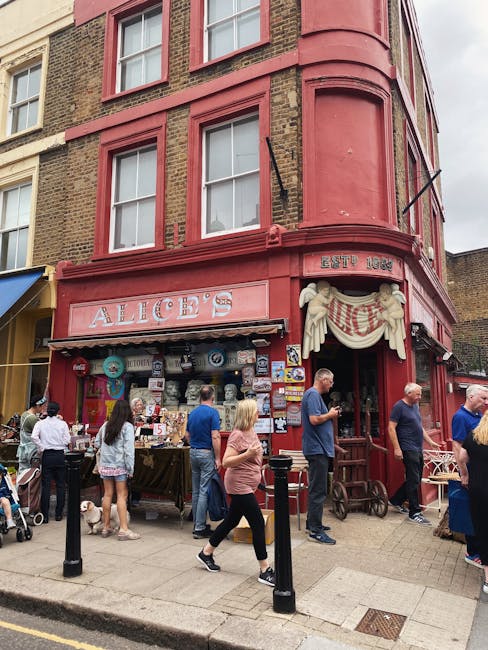
Notting Hill florist rescue at Portobello wedding: case
Posted on 04/11/2026
A wedding in Notting Hill can look effortless from the street: ribbons on the chairs, flowers catching the light, guests drifting in from Portobello with that slightly excited, slightly hurried look. But behind the scenes, things can go sideways fast. That is where a Notting Hill florist rescue at Portobello wedding: case becomes more than a dramatic phrase. It is a real-world reminder that wedding flowers are not just decoration; they are timing, logistics, backup planning, and calm judgement all rolled into one.
If you are planning a ceremony near Portobello Road, or you have ever wondered what happens when the original floral plan falls apart, this guide is for you. We will look at how a florist rescue works, why it matters, what makes it different from a standard wedding flower order, and how to reduce stress when the big day is already moving at full speed. Truth be told, weddings rarely run exactly to script. The good news is that flowers can usually be saved, reshaped, or replaced if you know what to do.
There is also a practical side here. Not every florist can step in at short notice, and not every rescue is the same. Some involve replacing a missing bouquet. Some mean rebuilding a full ceremony set-up in a narrow time window. Some are about staying flexible when traffic, delivery delays, or last-minute guest changes throw the schedule off. Let's walk through it properly.
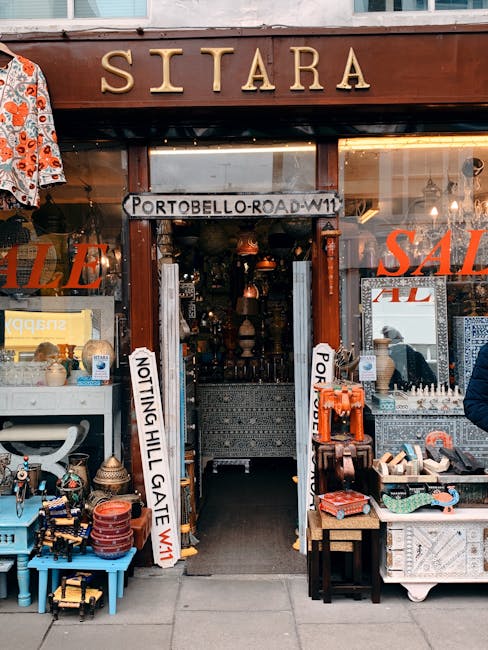
Table of Contents
- Why this rescue case matters
- How the rescue process works
- Key benefits and practical advantages
- Who this is for and when it makes sense
- Step-by-step guidance
- Expert tips for better results
- Common mistakes to avoid
- Tools, resources and recommendations
- Law, compliance, standards, or best practice
- Options, methods, or comparison table
- Case study or real-world example
- Practical checklist
- Conclusion
- Frequently asked questions
Why Notting Hill florist rescue at Portobello wedding: case Matters
Notting Hill and Portobello create a beautiful but slightly unforgiving wedding environment. Streets can be busy, access can be tight, and timing often depends on a chain of moving parts. A florist rescue case matters because flowers are one of the first things guests notice and one of the easiest things to get wrong under pressure. If the bouquet arrives late, the buttonholes are missing, or the ceremony arrangements do not match the venue, the whole feel of the day can wobble.
In this kind of setting, a rescue florist is not simply "someone who makes flowers quickly". It is usually a florist who can assess what is salvageable, simplify the design without losing elegance, and deliver under time pressure while still keeping the overall look coherent. That takes experience. It also takes a calm head, which sounds obvious until you are standing in a dress, near a crowded pavement, with 20 minutes before the registrar arrives.
Portobello wedding logistics can add another wrinkle. There may be loading restrictions, stairs, narrow entrances, or a venue that looks straightforward online but feels much less straightforward on the day. A rescue florist understands that the arrangement is only half the job; the other half is getting it into place, on time, in one piece, without making a fuss. Small detail, big difference.
And yes, the visual stakes are high. Wedding flowers frame photographs, soften interiors, and set the mood within seconds. If the rescue is handled well, most guests will never know there was a problem at all. That is the goal, really. Quiet competence.
How Notting Hill florist rescue at Portobello wedding: case Works
The rescue process usually starts with a quick diagnosis. What is missing? What is late? What is still usable? A good florist does not begin by rebuilding everything from scratch. They first separate the urgent from the optional. If there is no time, the rescue may focus on bridal bouquet, buttonholes, and ceremony focal pieces before anything else. Table flowers, extra stems, or decorative fillers can be adjusted later if needed.
Then comes the practical redesign. That might mean using seasonal blooms that are easier to source quickly, reducing stem count, simplifying hand-tied shapes, or swapping a complex installation for a smaller but stronger design. In a real wedding rescue, elegance comes from clarity. A few beautifully placed flowers often work better than a complicated mix that feels rushed.
The final stage is fast delivery and on-site placement. This is where local knowledge matters. A florist familiar with Notting Hill, W10, and Portobello-style venues knows that a five-minute delay can turn into fifteen if parking is awkward or the entrance is shared. That is why rescue work often depends on proximity, good communication, and realistic promises rather than flashy language.
Here is the simple version:
- Assess the problem quickly.
- Decide what must be saved first.
- Choose flowers that can be sourced or replaced quickly.
- Keep the design elegant but manageable.
- Deliver and set up with minimal disruption.
This is not about perfection for its own sake. It is about keeping the wedding atmosphere intact when the original plan has taken a hit. Slightly messy backstory, beautiful end result. That is often how it goes.
Key Benefits and Practical Advantages
The main benefit of a florist rescue is obvious: it protects the wedding from visible failure. But there are a few less obvious advantages too. First, it reduces panic. Once someone has a clear plan, the emotional temperature drops. You can feel it in the room. The tone changes from alarm to action.
Second, a rescue florist often creates a more practical floral plan than the original brief. That sounds counterintuitive, but it happens all the time. A couple may fall in love with a very elaborate design on Pinterest, only to discover that the venue layout, budget, or time window makes it awkward. A rescue situation forces quick decisions, and quick decisions often lead to cleaner styling.
Third, rescue work can improve value for money. Not because it is cheap by definition, but because it avoids waste. If you can save the bouquet and repurpose some materials for tables or the cake area, you may get more visible impact from the same spend. To be fair, nobody wants a wasteful wedding flower bill sitting in the back of their mind.
Another advantage is responsiveness. A florist who offers rescue support is usually used to real wedding pressure, not just studio conditions. That matters when the situation gets technical. For example:
- the bridal party size changes
- a bouquet colour clashes with the dress in natural daylight
- weather affects delicate stems
- delivery access is tighter than expected
There is also peace of mind. That sounds soft, but it is not. When people are getting married, peace of mind is a genuine operational benefit. No one wants to spend the last hour before the ceremony wondering whether the flowers are even on their way.
Who This Is For and When It Makes Sense
This kind of florist rescue makes sense for couples, planners, family members, or venue teams who need a fast floral solution without turning the day into a logistical drama. It is particularly useful if the wedding is in central or west London, where access, timing, and delivery coordination can be a little more complicated than they first appear.
You might need this support if:
- your original florist has fallen through
- the delivery window has slipped
- a key bouquet or arrangement is damaged
- you need a same-day replacement for an essential item
- the design needs simplifying to suit the venue or timetable
It also makes sense for couples who realise late in the process that they need a more local supplier. If you are working with a florist in the area, you are usually buying speed as much as flowers. A nearby team can respond more realistically to same-day changes than someone who has to cross half of London and hope traffic behaves itself.
This is not just for emergencies, either. Some people deliberately choose a rescue-ready florist because they want flexibility. Maybe you are planning a small Portobello registry-style wedding. Maybe you have a larger celebration with multiple moving parts. Or maybe you simply know that weddings, like trains, have a way of arriving slightly off schedule. No shame in planning for that.
Step-by-Step Guidance
If you find yourself needing a florist rescue, the best thing you can do is stay organised. Panic spreads quickly; clear information helps everyone work faster. Here is a sensible step-by-step approach.
1. Confirm what is actually urgent
List the items that matter most in order of importance. Usually that means bridal bouquet first, then buttonholes, then ceremony flowers, then table pieces. If the wedding is very small, the list may be shorter. If there are cultural or family priorities, those should be noted immediately. A good florist cannot read minds, though sometimes people seem to expect it.
2. Send photos and basic details
Pictures help more than long explanations. Share images of the dress, venue, colour palette, and any flowers already on-site. Include the ceremony time, the postcode, and any access notes. If there is a loading bay, a side entrance, or a weird stairwell, say so early. It saves everyone trouble.
3. Accept a simplified design if time is short
Rescue work is not the moment to insist on a complex cascading bouquet with a dozen rare stems. Sometimes the smartest move is a more compact arrangement that still suits the dress and venue. Simpler does not mean less special. In fact, a refined design can look more luxurious than an overworked one.
4. Confirm delivery and contact details
Make sure the florist has a live phone number, the correct venue contact, and a backup person if you are tied up getting ready. That way the delivery can be handed over smoothly. A tiny admin detail, but an important one.
5. Check placement before guests arrive
Whenever possible, do a quick visual check once the flowers are in place. Look at them from the angle guests will see first. Stand back. Does the bouquet feel balanced? Do the arrangements block sightlines? Are the colours reading well in the room light? These small checks can stop awkward surprises.
6. Repurpose leftover stems
If there are spare flowers, ask whether they can be used on the cake table, in the reception area, or near the guest book. Little extras can make the whole event feel more coordinated. And honestly, it is nice when nothing beautiful goes to waste.
Expert Tips for Better Results
In our experience, the best rescue outcomes happen when the couple or planner keeps communication crisp. Short sentences. Clear priorities. No mystery. Florists do not need a novel; they need facts they can act on.
Here are a few practical tips that genuinely help:
- Choose seasonal flowers where possible. They are usually easier to source quickly and tend to hold up better.
- Stick to one main colour story. A narrow palette is easier to rescue than a very mixed one.
- Keep a contingency budget. Even a modest buffer can make a last-minute change less painful.
- Use photographs, not just adjectives. "Romantic" means different things to different people. A picture is much better.
- Be realistic about venue timing. If access is awkward, allow extra time. Always.
Another tip: think about where the flowers will be seen most. If the ceremony is outdoors and the reception is inside, the same arrangement may need to work in two different light conditions. Natural daylight can make pale flowers glow, while warm indoor lighting can change how whites, creams, and soft pinks read. Tiny detail, but it matters.
And here is a slightly unglamorous truth: not every rescue needs the most expensive option. Sometimes the smartest floral decision is the one that gives you the right shape, the right tone, and the right delivery window. That is where a good florist earns their keep.
Common Mistakes to Avoid
The most common mistake is waiting too long to ask for help. People often hope the original plan will recover on its own. Sometimes it does. Often it does not. By the time the issue is confirmed, the time available has shrunk to almost nothing.
Another mistake is overcomplicating the fix. If the original arrangement failed because it was too ambitious for the schedule, replacing it with something equally ambitious is not the answer. Keep the rescue grounded. Strong shape. Good condition flowers. Clean execution.
Here are a few more mistakes that crop up a lot:
- not sharing the venue address and access notes in full
- failing to say which flowers are non-negotiable
- changing the brief repeatedly during the rescue
- forgetting to check whether the florist can actually arrive in time
- choosing blooms that bruise easily in transit
A subtler mistake is focusing only on the bouquet and forgetting the rest of the day. Wedding flowers work as a system. The bouquet should connect to the buttonholes, table styling, and ceremony look. If each part feels disconnected, the whole visual story weakens. You do notice it, even if you cannot quite say why.
Also, avoid the temptation to micromanage every stem while the florist is already in motion. Once the rescue starts, too many tweaks can slow everything down. Better to agree on the main direction and let the florist do the practical work. That is what you are paying for, after all.
Tools, Resources and Recommendations
You do not need a huge toolkit to manage a floral rescue, but a few practical resources make life much easier. First, keep a simple note with the ceremony time, venue address, contact name, and any access instructions. That can live on your phone and be shared instantly. Old-fashioned? A bit. Useful? Very.
It also helps to have a small reference set of visual materials ready:
- a bouquet reference photo
- a colour palette image
- a photo of the dress or suit
- a room photo if the reception has already been set up
- notes about allergies or scent sensitivity
If you are browsing options rather than dealing with a full emergency, pages like wedding flowers in Notting Hill can help you compare styles, while wedding collections are useful for understanding what is usually available for coordinated bridal and venue flowers. For delivery timing and backup planning, it is also worth checking the practical details on delivery information and the florist's guarantees so you know what level of service you can reasonably expect.
If your wedding is close to the day and you need a fast response, same-day flower delivery in Notting Hill and a local Notting Hill florist are the most relevant places to start. Not every situation needs a dramatic rescue. Sometimes you just need a steady, local team who can move quickly without making a song and dance about it.
For ongoing care once the flowers are in place, the florist's flower care guidance can help the arrangements last better through the day, especially in warmer rooms or after transport.
Law, Compliance, Standards, or Best Practice
There is no single universal rulebook for wedding flowers, but there are sensible UK best practices worth following. A florist should be clear about what they can deliver, when they can deliver it, and any limitations around substitutions. If a flower is unavailable, the substitute should be broadly in keeping with the agreed style. That sounds simple, but it prevents a lot of disappointment.
Good practice also means being honest about timing. If a florist cannot guarantee an exact arrival minute because of traffic or access constraints, they should say so. In central London, that is not a weakness; it is realism. The same goes for weather-sensitive flowers, venue conditions, and any limitations on set-up space.
From a customer perspective, it is wise to read the terms and conditions, refund policy, and payment details before relying on a last-minute order. That is not just admin for admin's sake. It helps you understand what happens if a delivery is delayed or if the rescue plan changes. You can also look at privacy and accessibility information if you are sharing personal details or arranging support for older guests or disabled family members.
For sustainability-conscious couples, ask about sourcing and waste reduction. Even in a rescue situation, it is reasonable to ask whether the florist uses seasonal stock responsibly and whether excess materials can be reused. A thoughtful florist will usually have a straightforward answer. No drama, just clarity.
And one more thing: if a venue has its own rules about access, timings, candles, or cleanup, follow them. It saves awkward conversations later. Probably obvious, but weddings have a way of making obvious things vanish.
Options, Methods, or Comparison Table
Not every floral problem needs the same solution. Below is a simple comparison of common approaches so you can see what tends to work best.
| Approach | Best for | Strengths | Trade-offs |
|---|---|---|---|
| Full bespoke rescue | When the wedding style must be closely matched | Most tailored result, strong visual continuity | Needs more time, may cost more |
| Simplified same-day replacement | Urgent problems with limited time | Fast, practical, usually reliable | Less design complexity, fewer custom elements |
| Partial rescue with repurposed flowers | When some items are already on site | Efficient, reduces waste, keeps some original styling | Depends on what is still usable |
| Delivery-only emergency drop | When setup support is already in place | Quickest option, useful for small weddings | Less hands-on help, higher reliance on venue or planner |
For most Portobello wedding scenarios, the simplified same-day replacement is the most realistic. It gets the job done without overpromising. If the couple has time and the original floral brief was strong, a fuller bespoke rescue can still be worthwhile. The right method depends on how much of the day is already locked in.
Case Study or Real-World Example
Here is a realistic example based on the kind of situation local florists handle all the time, without pretending it is a perfect fairy tale. A couple had planned a small wedding near Portobello with a hand-tied bouquet, buttonholes, and two table arrangements. On the morning of the ceremony, a delivery issue meant the original flowers were not going to make it in time. Not ideal. Not even close.
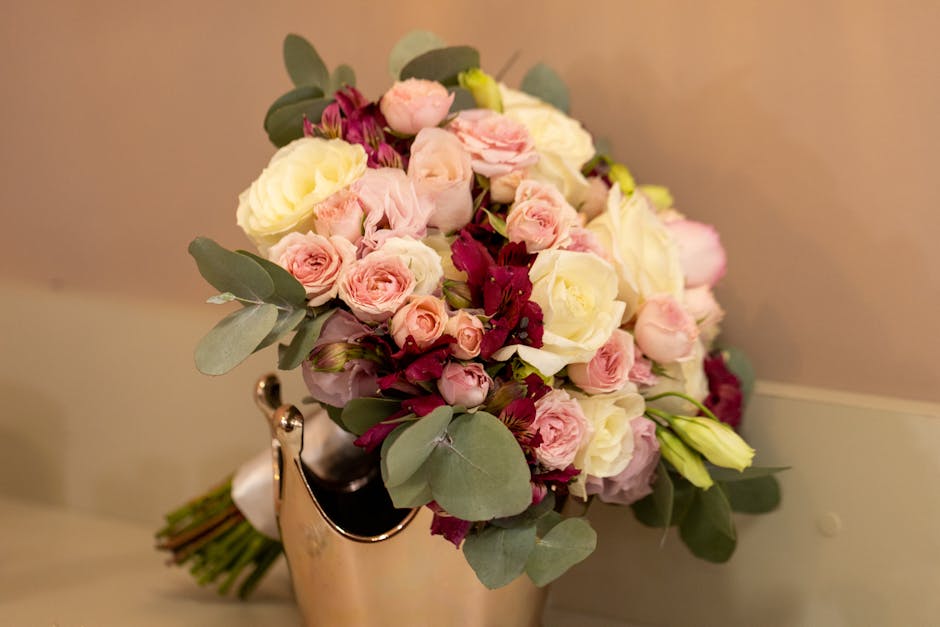
The couple contacted a local florist, shared the dress photo, the ceremony time, and a simple colour direction: soft whites with a touch of pink. Rather than trying to rebuild the original design exactly, the florist proposed a cleaner alternative using reliable stems that could be prepared and delivered quickly. The bouquet was made more compact, the buttonholes were matched to the suit tones, and the table pieces were reduced to a more elegant, lower profile look.
By the time guests arrived, the room looked calm and coordinated. Nobody walked in thinking, "Ah yes, this was a rescue." That is usually the sign it has worked. The couple later mentioned that what mattered most was not the exact flower list; it was the fact that the result felt intentional and beautifully put together. And honestly, that is often the difference between a stressful day and one that feels handled.
Another small but useful detail: the florist left a few spare stems for the signing table, which added polish without much extra effort. Little things like that can make a wedding feel finished. Not overdone. Finished.
Practical Checklist
Use this checklist if you need a florist rescue or want to plan for one in advance.
- Confirm the exact wedding date and ceremony time.
- Share the venue address and any access restrictions.
- Send reference photos of the dress, venue, and desired style.
- Prioritise the most important floral items first.
- Be open to seasonal substitutions.
- Keep the colour palette clear and limited.
- Check delivery contact details twice.
- Allow buffer time for London traffic and loading.
- Ask how the flowers will be protected in transit.
- Review care instructions for the bouquet and arrangements.
- Ask what happens if a stem or item is unavailable.
- Make sure someone on-site can receive the delivery if you are busy.
If you can tick most of those boxes, you are already in a much stronger position. Simple preparation saves a surprising amount of stress.
Conclusion
A Notting Hill florist rescue at Portobello wedding: case is really about one thing: keeping a meaningful day on track when something unexpected happens. The flowers may have started as a style choice, but in the middle of a wedding day they become part of the event's rhythm, atmosphere, and memory. When handled well, a rescue does not look like a compromise. It looks like calm expertise.
The best outcomes come from clear priorities, local knowledge, realistic design choices, and a florist who can move quickly without making the process feel rushed. If you are planning a wedding near Portobello, it is worth thinking about rescue-ready options before you need them. That way, if something changes, you are not starting from scratch while everyone else is already getting ready.
Get a free quote today and see how much you can save.
At the end of the day, the right flowers should help you breathe a little easier, not give you another thing to worry about. And that, really, is the point.
Frequently Asked Questions
What does a florist rescue at a Portobello wedding actually mean?
It means a florist steps in quickly to replace, simplify, or rebuild wedding flowers when the original plan has failed, been delayed, or needs urgent adjustment.
How fast can a Notting Hill florist rescue a wedding order?
That depends on the time of day, the complexity of the flowers, and the delivery location. Small replacements can sometimes be handled the same day, while larger fixes need more coordination.
Can a rescue florist match my original wedding style?
Often, yes, but not always perfectly. The best rescue florists aim to keep the colour palette, overall feel, and key shapes close to the original brief while working within the time available.
What flowers are easiest to use in a last-minute wedding rescue?
Seasonal, sturdy flowers that travel well are usually the easiest to work with. A florist will often choose blooms that are available quickly and hold up well on the day.
Is it better to keep the original design or simplify it?
If time is tight, simplification is usually smarter. A clean, elegant arrangement often looks better than a rushed attempt to recreate a very complex design.
How much information should I send the florist?
As much as is useful: the venue address, timing, colour preferences, reference photos, and any access issues. The clearer the brief, the quicker the rescue can happen.
Can a florist rescue include bouquets and table flowers together?
Yes, though the florist may prioritise one area first if time is short. Bridal bouquets and buttonholes are usually handled before table styling in urgent situations.
What should I do if my florist is delayed on the day?
Contact them immediately, confirm the updated arrival time, and tell the venue if needed. Keep one person available to receive the flowers and make any quick decisions.
Do I need to worry about parking or access in Notting Hill?
Yes, a little. Central London access can be tricky, so share loading notes, entrances, and any venue restrictions early. That saves time and reduces last-minute stress.
Are same-day wedding flowers always more expensive?
They can be, depending on the flowers needed and the speed of service. A rescue order may involve extra sourcing or delivery effort, so it is sensible to ask for a clear quote upfront.
Can I request sustainable or seasonal flowers in a rescue situation?
Yes, and it is often a good idea. Seasonal flowers are usually easier to source quickly, and they can still look beautiful when chosen well.
What is the biggest mistake people make with last-minute wedding flowers?
The biggest mistake is waiting too long to make a decision. Once time is lost, options narrow fast. A clear, quick brief usually gives the best result.