Notting Hill council permits for venue flower installs
Posted on 27/09/2026
If you are planning a floral installation for a venue in Notting Hill, the permit side can feel more confusing than the flowers themselves. One minute you are choosing a ceremony arch or a dramatic entrance piece, the next you are asking whether the council needs to be involved, what the venue actually allows, and whether your install counts as decoration or a temporary structure. In practice, Notting Hill council permits for venue flower installs are about making sure your floral work is safe, lawful, and acceptable for the space you are using. That matters whether you are styling a wedding, a brand event, a private dinner, or a high-footfall launch with a lot of moving parts.
This guide walks through the essentials in plain English: why permits matter, how the process usually works, when you may need extra approvals, and how to avoid the sorts of mistakes that turn a lovely install into a last-minute headache. Let's make it straightforward.
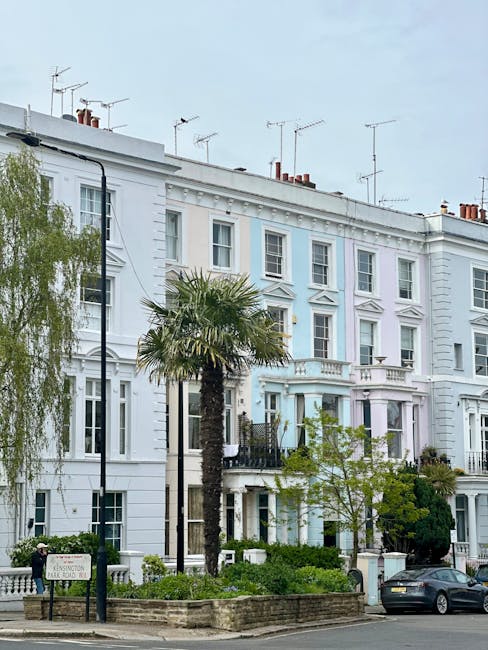
Why Notting Hill council permits for venue flower installs Matters
Notting Hill is busy, stylish, and full of venues that range from intimate restaurants to grand townhouses and event spaces with very specific rules. That is exactly why permits and venue permissions matter. A flower install might look temporary and harmless from the outside, but once you add ladders, public pavements, delivery vehicles, power, water, fixings, or temporary freestanding structures, the situation changes quickly.
In a neighbourhood like this, a venue flower install can affect more than aesthetics. It can affect access, pedestrian flow, fire routes, loading arrangements, insurance, and building rules. A venue may be happy with your concept but still need you to prove that your installation will not damage walls, block exits, or create a trip hazard. And if any part of the design reaches outside the venue boundary, you may need additional permission. Simple as that. Well, not always simple, but that is the principle.
The real value of understanding permits early is that it keeps the creative work intact. When people leave permissions until the last week, designs often get cut back, moved, or stripped of the very details that made them special. A better approach is to plan the flowers around the venue's practical constraints from day one.
Expert summary: For venue flower installs in Notting Hill, the smartest workflow is not "design first, worry later." It is "check venue rules, confirm permit needs, then shape the design to fit the site." That sequence saves time, money, and a fair bit of stress.
How Notting Hill council permits for venue flower installs Works
There is no single one-size-fits-all permit route for every floral project. The exact process depends on where the flowers are going, whether the installation is inside or outside, how it is attached, and whether it affects public space. In many cases, the venue itself is the first place to start, because the building owner or manager may have stricter rules than the council. The council becomes relevant when the install touches public land, safety controls, licensing conditions, or street-facing changes.
Here is the practical sequence most teams follow:
- Check the venue's internal rules. Ask what is allowed on walls, ceilings, doors, banisters, tables, and fixtures.
- Identify whether the install stays fully inside the venue. If it goes onto a pavement, frontage, entrance step, or public-facing area, permissions are more likely to matter.
- Assess the build method. Light florals, garlands, foam-free mechanics, freestanding frames, suspended pieces, and candle-adjacent designs all create different questions.
- Confirm insurance and risk controls. The venue may want public liability cover, method details, or a simple risk assessment.
- Allow time for review. If a permit or approval is needed, do not leave it to the day before install. London venues are often busy and the approvals chain can move at its own pace.
In practice, the question is not only "Do I need a permit?" but also "Who needs to approve this, and what evidence will they ask for?" That can include photographs, dimensions, materials, weight, fixing method, access route, and removal plan. If your floral design team already has a neat spec sheet, you are ahead of the game.
For broader event planning support, some venue teams also reference their wider service pages. If you are arranging a corporate activation, the logistics may connect with corporate event floral support, while weddings often sit closer to wedding flowers in Notting Hill. Different use cases, same need for tidy planning.
Key Benefits and Practical Advantages
Getting the permit and approval side right gives you more than peace of mind. It protects the design, the venue relationship, and the event timeline. That sounds a bit dry until you have a florist truck waiting outside, guests arriving, and a manager saying a staircase garland cannot stay where it is. Then it becomes very real, very quickly.
- Fewer last-minute changes. Approved plans are less likely to be cut back on the morning of the event.
- Better site safety. Clear access routes, stable structures, and sensible fixing methods reduce avoidable risk.
- Stronger venue trust. Venues are more relaxed when you come with details instead of vague assurances.
- Cleaner installation windows. If loading, access, and removals are agreed in advance, the job tends to run smoother.
- Less chance of damage. Permission-led planning helps prevent paint loss, broken fittings, or water marks on historic interiors.
- Better design outcomes. When you know the boundaries, you can design more intelligently rather than improvising on site.
There is also a commercial benefit. If you work regularly in Notting Hill, a permit-aware process makes you look more dependable to venues, planners, and clients. That kind of reputation matters. People remember the team that arrived prepared, not the one hunting for cable ties in a panic at 7:30 a.m.
Who This Is For and When It Makes Sense
This topic is relevant for a surprisingly wide group of people. If your floral work is decorative, structural, branded, or intended to be seen by guests, the permit question is worth asking early. It is especially relevant when the install is larger than a tabletop arrangement or when it interacts with anything fixed to the venue or visible from outside.
Typical users include:
- Wedding couples planning arches, staircase flowers, entrance displays, or ceiling pieces
- Event planners staging launches, dinners, gallery openings, or private parties
- Florists and stylists working on larger concept installations
- Venue managers who need to control risk, access, and presentation
- Corporate teams managing branded floral decor for one-off activations
It makes sense to think about permits when your install involves any of the following: public-facing frontage, overnight setup, tall freestanding items, ladder work, suspended arrangements, live water containers, large quantities of flowers, or anything that may need anchoring. If you are only placing a few arrangements on tables, you may not need formal council involvement. But the venue may still have rules, so do not assume.
To be fair, many problems happen because people confuse "temporary" with "trivial." A flower wall can be temporary and still create access issues. A doorway arrangement can be temporary and still obstruct a fire route. Temporary is not the same as harmless. That tiny distinction saves a lot of trouble.
Step-by-Step Guidance
If you want a calm process, use a methodical one. It does not need to be bureaucratic or stiff. It just needs to be complete.
1. Start with the venue
Ask for their floral installation policy, loading rules, and any restrictions on fixings, adhesives, water, flame, or ceiling suspension. If they have a preferred supplier list, that is useful too. Even if they do not, they may still have a hard line on what is allowed in certain areas.
2. Map the install location
Write down exactly where the flowers will go: foyer, staircase, facade, dining room, terrace, entrance, or pavement edge. The more specific you are, the easier it becomes to judge whether a permit or extra approval may be needed.
3. Define the build details
List the size, height, materials, fixing method, and whether the piece is self-supporting. Mention whether water is involved, whether the installation uses frames, and how it will be removed. This is the kind of detail venues love because it shows you are thinking beyond the pretty part.
4. Check public-space impact
If anything touches the street, pavement, or communal area, pause and assess. Public access is often where council-related permissions become relevant. You do not need to be alarmist here, just honest. If the design extends outward, treat it as a separate review point.
5. Confirm insurance and RAMS-style information if requested
Some venues may ask for public liability insurance, a risk summary, or a brief method statement. In London event work, that is normal enough. A crisp one-page summary is often better than a giant document nobody reads.
6. Set the install timetable
Factor in parking, unloading, lift access, guest arrival times, and clean-up. Morning light can look lovely through a Notting Hill window, but it also exposes every delay. Build in cushion time, because you will thank yourself later.
7. Get written sign-off
Do not rely on a passing conversation or a friendly nod. Email approval is safer. If something changes on site, record the change. It does not have to be dramatic; just keep a clear paper trail.
8. Plan removal as carefully as setup
Many people forget the take-down. Yet this is where damage, noise, and access problems often happen. A removal plan keeps the venue happy and protects the floor, walls, and fittings.
Expert Tips for Better Results
There are a few habits that separate a smooth install from a stressful one. None of them are glamorous, unfortunately.
- Design for the building, not just the mood board. A grand idea is lovely, but if the staircase is narrow or the entrance is listed, the design has to adapt.
- Use fixings that respect the space. Removable methods, protective wraps, and reversible solutions are often preferable in venue settings.
- Keep the floral palette practical. Some flowers bruise more easily than others, and some designs travel badly. If you need resilience, ask for stems that hold up well during transport and installation. Our flower care guidance is a useful reminder that handling matters just as much as styling.
- Choose containers wisely. Heavy bases can stabilise a display, but they can also create floor load issues or awkward lifting on stairs.
- Watch scent levels. A little fragrance can be wonderful. Too much in a compact room? Not always. Guests can start sneezing, and that is not the atmosphere anyone planned.
- Coordinate with other suppliers. Florists, photographers, caterers, and AV teams often need the same access window. If one runs late, everyone feels it.
A small but useful habit: photograph the venue before and after. It is not about mistrust. It is about clarity. If a picture shows the condition of a wall or floor before installation, everyone has a fair reference point if a question comes up later.
And yes, it is a bit dull to keep talking about paperwork when all you want is lush flowers and soft candlelight. But the paperwork is what lets the flowers happen.
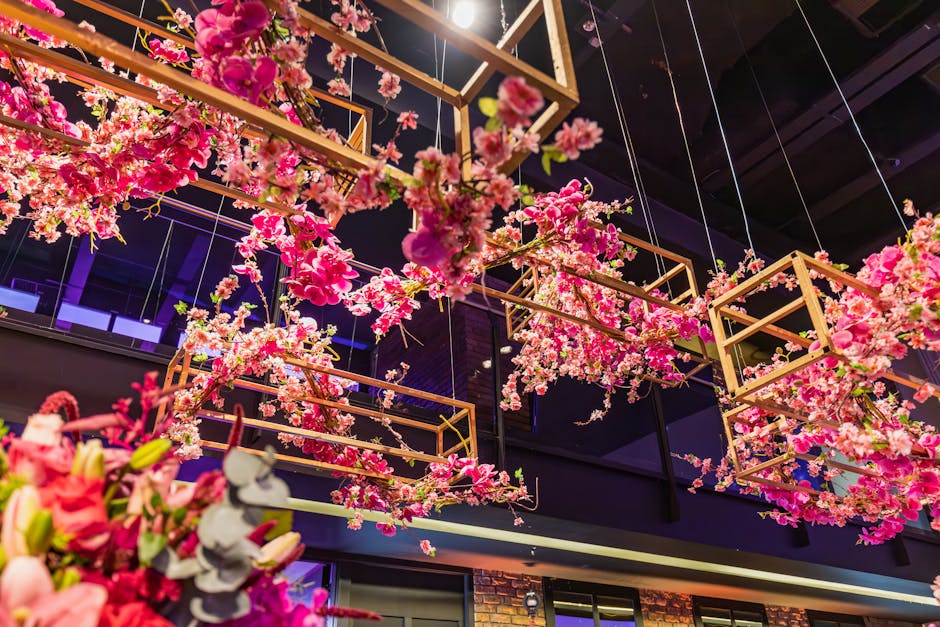
Common Mistakes to Avoid
Most permit and approval problems come from a few repeat errors. The good news is that they are easy to avoid once you know what to look for.
- Assuming every install is internal only. A bouquet on a plinth is one thing; an arch that partly sits in a public walkway is another.
- Leaving venue approval until the week of the event. By then, changes are harder and emotions run higher.
- Using vague descriptions. Saying "floral entrance feature" tells people very little. Say what it is, how large it is, and how it is supported.
- Forgetting access and parking. Even a perfect design can fail if the van cannot unload safely.
- Ignoring removal logistics. Set-up and take-down are both part of the job.
- Overlooking damage risk. Adhesives, tape, water, and stems can all mark surfaces if handled carelessly.
- Failing to confirm who approves what. The venue may approve the concept, but the building manager may control physical access. Different people, different permissions.
One classic mistake is designing first and asking questions later. That is the floral equivalent of buying shoes before checking the size. It happens. But it is avoidable.
Tools, Resources and Recommendations
You do not need a mountain of equipment to manage venue flower installs well. What you do need is a reliable system and a few sensible documents.
Useful practical tools
- Site plan or marked floor plan for exact placement
- Install checklist to track access, build, and removal tasks
- Photo references of the venue and proposed placement points
- Brief method summary explaining how the floral piece is assembled and fixed
- Insurance confirmation if the venue asks for it
- Delivery and timing notes for the setup crew
If you are sourcing flowers for the event itself, it can help to work with a supplier that understands venue constraints and timing pressure. For one-off special occasions, browsing luxury floral options or a flexible florist choice selection can be useful when the design needs to be both attractive and practical. For faster turnaround, same-day flower delivery in Notting Hill may help in certain event scenarios, though larger installs should still be planned well ahead.
For clients who want a broader view of what the business offers, the about us and guarantees pages can also help set expectations around service standards and reliability.
Law, Compliance, Standards, or Best Practice
Because this topic touches venues, public space, and temporary installations, careful compliance matters. The exact legal position depends on the setting, but there are some consistent best practices that apply in the UK event environment.
First, distinguish between private interior work and anything that affects public space. A flower arrangement inside a venue is usually governed by the venue's own rules and general safety responsibilities. Once a design reaches outside, onto a pavement, step, frontage, or shared access area, extra permissions may come into play. The relevant authority may depend on the location and the nature of the installation, so do not assume a council permit is needed for every flower job - but do not assume it is not needed either.
Second, respect fire safety and access routes. Venue teams are right to be cautious about exit widths, emergency access, and anything that creates obstruction. The most beautiful floral arch in the world is still a problem if it narrows a route that needs to stay clear.
Third, use sensible risk management. That means stable bases, neat cabling if any equipment is involved, careful handling of water, and secure working methods for tall or overhead pieces. If ladders or elevated access are required, trained staff and safe working practice are essential. No drama, just good practice.
Fourth, protect the venue fabric. Historic and decorative buildings need a gentle touch. Reversible fixing methods are often preferred because they reduce the risk of damage. This is especially relevant in character properties where a small mark can become a much bigger conversation.
Finally, keep written confirmation. Even when the process is informal, a short email trail can prevent confusion later. It is one of those unglamorous habits that quietly saves the day.
If you ever feel uncertain, ask the venue for the exact approval route. That question is not annoying; it is professional. In fact, most venue managers appreciate it.
Options, Methods, or Comparison Table
Not every flower install needs the same level of permission or planning. Here is a simple comparison to help you think through the options.
| Install type | Likely approval need | Main risk points | Best use case |
|---|---|---|---|
| Small table arrangements | Venue approval only in many cases | Water, spill risk, table space | Private dinners, receptions, intimate events |
| Entrance arrangement inside the venue | Venue approval and access planning | Blocking doors, floor damage, timing | Weddings, launches, welcome displays |
| Freestanding floral arch | Venue approval plus safety review | Stability, guest flow, removal logistics | Ceremonies, photo moments, branded backdrops |
| Suspended floral installation | More detailed approval likely | Weight, fixing method, overhead safety | High-impact interiors, premium events |
| Exterior or pavement-facing display | Possible council-related permission | Public access, trip hazards, frontage rules | Street-visible activations, outdoor receptions |
For most readers, the key decision is not just how big the flowers are. It is where they sit and who controls that area. A modest design in the wrong place can need more scrutiny than a larger display tucked safely inside a private room. Bit surprising, but true.
Case Study or Real-World Example
Picture a late-summer wedding in Notting Hill. The couple wants a soft floral entrance, a staircase garland, and a ceremony arch that looks gorgeous in photos but also feels calm in the space. The venue is a character property with a narrow entrance and a strict no-damage policy for walls and bannisters.
Instead of sending in the flowers and hoping for the best, the florist starts with a site walk. They notice the entrance is shared with another event room, the staircase turns sharply halfway up, and the arch will need to be assembled in sections. The venue approves the interior plan, but asks for written details on timing, removal, and floor protection. Because the entrance feature sits just inside the threshold, no public-space issue arises, but the team still needs to keep the doorway clear.
The result is not the most dramatic setup they have ever done. It is, however, the smoothest. The flowers arrive in staggered loads, the arch is built in sections, and the venue team can keep guest access moving. No one is scrambling for tape at the last second. No one is arguing over where the arch legs should sit. And the wedding photos? Lovely. Soft morning light, clean lines, no awkward clutter in sight.
That is the real lesson. Permits and approvals do not make the flowers less beautiful. They make the beauty possible.
Practical Checklist
Use this checklist before any venue flower install in Notting Hill:
- Confirm the exact venue location and install points
- Ask for the venue's floral installation rules
- Check whether any part of the design touches public space
- Confirm if council-related permission or additional approval may be needed
- Prepare a short written description of the install
- Include size, height, fixing method, and materials
- Agree access times, parking, and unloading details
- Check insurance requirements
- Protect floors, walls, and any delicate surfaces
- Plan the removal process as carefully as the setup
- Get written sign-off before the event
- Keep contact details for the venue lead on the day
That list may look basic, but it catches the stuff people miss when they are rushing. And let's face it, event weeks do have a way of getting busy all at once.
Conclusion
Notting Hill council permits for venue flower installs are not really about bureaucracy for its own sake. They are about protecting access, keeping venues comfortable, and helping floral designs land exactly as planned. When you treat approvals as part of the creative process rather than an annoying extra, everything tends to work better: the build, the timing, the photos, the client experience, all of it.
If you are planning a venue install, start with the venue, clarify the space, and document the details early. That small bit of preparation gives you more freedom later, which is the funny thing about good planning. It feels restrictive at first, then suddenly it is the thing that lets the flowers shine.
Get a free quote today and see how much you can save.
And if you are still weighing up the details, that is perfectly normal. A calm, well-planned install is worth the extra thought - especially in a place as characterful and busy as Notting Hill.
Frequently Asked Questions
Do I always need a council permit for a venue flower install in Notting Hill?
No, not always. If the flowers stay fully inside a private venue and do not affect public space, the venue's own approval may be enough. If the install reaches outside, affects pavements, or raises safety questions, extra permission may be needed.
Who usually approves floral installations: the council or the venue?
Often the venue is the first and most important approval point. The council may become relevant if the installation interacts with public space, access, or external frontage. In practice, you may need both layers depending on the setup.
What information should I send before asking for approval?
Send a clear summary of the install location, dimensions, fixing method, materials, timing, removal plan, and any access needs. A few photos or a marked floor plan can make the conversation much easier.
How far in advance should I sort permits or permissions?
As early as possible. For larger or more complex installs, leave plenty of time for questions, revisions, and sign-off. Last-minute requests tend to create avoidable stress for everyone involved.
Are small table flowers likely to need council permission?
Usually not, if they stay inside the venue and do not create a safety or access issue. Even then, the venue may still have its own rules about water, candles, or placement.
Do wedding arches and floral backdrops need special approval?
They often need more careful review than simple arrangements because they are larger, can block sightlines, and may need anchoring. A freestanding arch in a private room is one thing; a structure near an entrance or public area is another.
What if the venue says yes but I am still unsure about the council side?
Ask the venue to clarify whether the installation touches any area that sits outside their control. If you are still uncertain, treat it as a permission question rather than guessing. Guessing is never the best plan here.
Can I attach flowers to walls or bannisters?
Only if the venue allows it and the method is safe for the surface. Reversible, low-damage methods are usually preferred. Historic or delicate interiors often need extra care.
What are the main safety risks with venue flower installs?
The main risks are blocked access, unstable structures, slips from water, trip hazards from cables or materials, and damage to venue surfaces. Good planning and careful placement reduce most of these issues.
Do florists provide risk assessments for venue installs?
Many do, especially for larger or more complex work. Some venues ask for a short method statement or risk summary. It does not need to be overcomplicated - just clear and practical.
What is the safest way to plan a last-minute install?
Keep the design simple, stay inside the venue boundary, confirm approval in writing, and avoid anything that needs complex fixing. If the brief is urgent, a tidy and restrained design is often safer than trying to do too much.
Can a venue refuse a flower installation even if it looks harmless?
Yes. Venues can set their own rules for safety, conservation, access, and presentation. If a display conflicts with their policy, they may decline it or ask for changes. That is normal.
For more guidance on flower ordering, event timing, and service expectations, you can also explore the broader site, including flower delivery in Notting Hill, flower shops in Notting Hill, and the main Notting Hill florist page when you are ready to plan the practical side too.