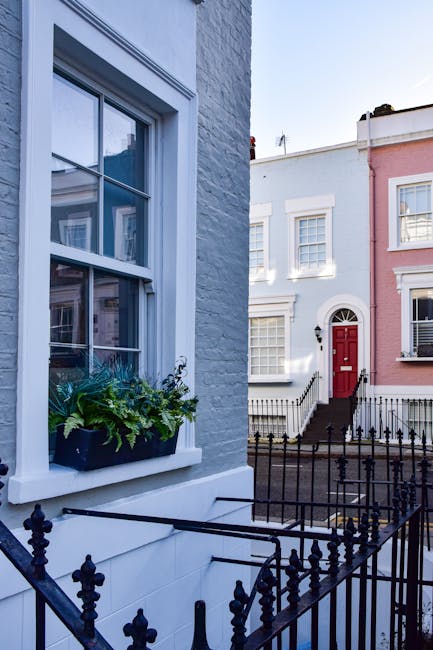
Corporate floral contracts for Notting Hill offices
Posted on 05/10/2026
If you run an office in Notting Hill, you already know the room changes the moment fresh flowers arrive. A reception desk looks sharper. A meeting room feels calmer. Even a busy Monday morning seems slightly less brutal. That is why corporate floral contracts for Notting Hill offices are becoming such a practical choice for local businesses that care about first impressions, staff wellbeing, and a polished brand presence.
This guide explains what a corporate flower contract actually is, how it works, who it suits, and how to choose an arrangement schedule that feels effortless rather than fussy. We will also look at common mistakes, useful best practices, and the small operational details that make the difference in real offices. Truth be told, flowers can be easy to underestimate until you stop having them.

Table of Contents
- Why Corporate floral contracts for Notting Hill offices Matters
- How Corporate floral contracts for Notting Hill offices Works
- Key Benefits and Practical Advantages
- Who This Is For and When It Makes Sense
- Step-by-Step Guidance
- Expert Tips for Better Results
- Common Mistakes to Avoid
- Tools, Resources and Recommendations
- Law, Compliance, Standards, or Best Practice
- Options, Methods, or Comparison Table
- Case Study or Real-World Example
- Practical Checklist
- Conclusion
- Frequently Asked Questions
Why Corporate floral contracts for Notting Hill offices Matters
Flowers in an office are not just decorative. In a place like Notting Hill, where many businesses are client-facing, design-conscious, or brand-led, the floral scheme becomes part of the experience. It tells visitors that the details matter. It also tells your team the same thing, which is no small point.
Corporate floral contracts for Notting Hill offices matter because they create consistency. A one-off bouquet is lovely, but an office contract gives you rhythm: same delivery day, agreed style, reliable refresh cycles, and no last-minute scrambling when a reception arrangement starts looking tired. That consistency is what keeps the space feeling intentional.
There is also a practical side. Offices near busy transport links, boutiques, studios, and professional services firms often have varied footfall. One day may be all clients and suppliers, the next just a quiet desk-based day. A good floral contract adapts to that pattern instead of forcing one rigid formula. And that flexibility is where the value usually shows up.
For a brand with a visible reception, flowers can do a surprising amount of work. They soften hard interiors. They lift darker corners. They help a space feel current without a full redesign. That is especially useful in period buildings and converted spaces around Notting Hill, where the architecture itself may already be doing a lot of the talking.
Practical takeaway: A corporate flower contract is most useful when it is treated as part of office presentation, not as an optional extra. The best setups are the ones nobody has to chase.
How Corporate floral contracts for Notting Hill offices Works
At its simplest, a floral contract is an ongoing agreement for regular flower supply, installation, and refresh. Instead of ordering ad hoc every week, the office agrees a plan with a florist or flower delivery specialist. That plan may cover reception arrangements, boardroom flowers, desk-friendly pieces, or event extras. Some businesses want weekly delivery. Others prefer fortnightly refreshes or mixed schedules for different spaces.
In practice, the process usually starts with a conversation about the space. A florist will want to know where the flowers will sit, how much natural light the room gets, what colours fit the brand, and whether the office leans minimalist, classic, creative, or luxury. This is where the planning happens, and honestly, it is worth taking a bit of time here. The wrong pot or oversized arrangement can make a polished office feel cluttered very quickly.
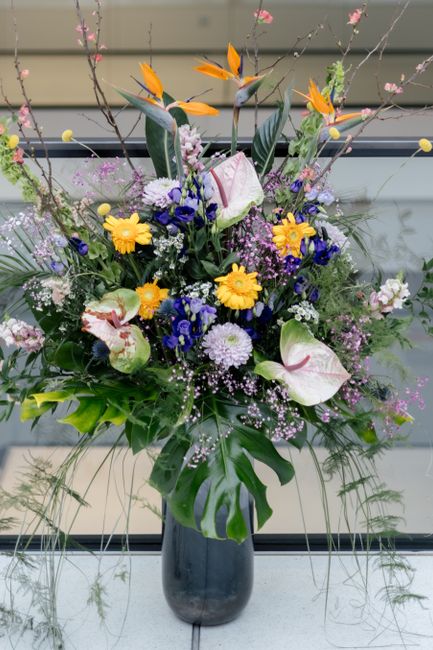
From there, the arrangement style and delivery cadence are set. You may choose seasonal stems, structured designs, statement pieces, or smaller clustered arrangements. Some contracts include vase hire and rotation, while others are supply-only. Some also allow for event changes, seasonal upgrades, or special requests for client meetings and launches.
If you need flowers urgently because a VIP visit has landed on your desk at 4:15 p.m., same-day options can help in a pinch. For planned office refreshes, a regular contract is usually more efficient and easier to manage. If your business also sends flowers for staff milestones or client gestures, it can help to use the same florist relationship across multiple needs. A local office contract can sit neatly alongside corporate accounts and broader delivery services such as flower delivery in Notting Hill W10.
Key Benefits and Practical Advantages
The best thing about a flower contract is that it saves mental bandwidth. That sounds a bit lofty, but in a real office it matters. Nobody wants to be the person suddenly trying to choose flowers while also booking rooms, handling invoices, and answering an awkward client email. Contracts reduce that friction.
1. Reliable presentation
A regular floral service keeps the office looking maintained rather than occasionally decorated. Visitors notice that. So do staff. If the space is used for investor meetings, consultations, or quiet brand-building moments, that reliability can quietly support your credibility.
2. Better budgeting
With a contract, you can usually plan spend more clearly. You are not making random decisions every time the vase looks empty. There may still be seasonal variation, of course, but the overall budget becomes much easier to manage. That is useful for smaller firms as well as larger offices with set facilities spend.
3. Less admin
Regular flower sourcing, quality control, delivery coordination, and replacement handling all take time. A contract streamlines the lot. In our experience, office managers tend to appreciate this most after the second or third month, when they realise they are not chasing floral supplies every Friday afternoon.
4. Brand and atmosphere support
Flowers can reinforce brand identity without being loud about it. White and green arrangements suggest calm and restraint. Richer tones can feel bold and expressive. Seasonal designs can make the office feel current, while structured minimal pieces work better in modern interiors. It is a small detail, yes, but small details stack up.
5. Staff wellbeing and welcome
Not every benefit has to be measurable to be real. Fresh flowers can make a reception area feel more human and less transactional. They can brighten a waiting area at 8:30 in the morning when the kettle is on and the building is just waking up. That little lift counts.
| Benefit | What it means in practice | Why offices care |
|---|---|---|
| Consistency | Regular refreshes on an agreed schedule | Keeps the office looking presentable without reminders |
| Efficiency | Less one-off ordering and fewer last-minute decisions | Saves time for office managers and PAs |
| Presentation | Flowers matched to the space and brand | Supports client-facing professionalism |
| Flexibility | Arrangement sizes and styles can shift | Useful for changing headcount or event calendars |
| Cost control | Budget can be planned over time | Makes spend easier to justify and review |
Who This Is For and When It Makes Sense
Corporate floral contracts are not only for big headquarters with polished lobbies and full-time reception teams. They work well for a surprising range of Notting Hill offices.
Best fit for:
- Property firms, design studios, and consultancy offices that host visitors regularly
- Medical, legal, and professional practices where the reception room sets the tone
- Creative agencies that want a more curated, brand-led environment
- Co-working spaces that need a space to feel fresh without constant staff attention
- Small offices that want a premium look but do not have time to manage flowers themselves
It also makes sense when your office has recurring events. Think client lunches, board meetings, seasonal launches, open days, or internal celebrations. Flowers are one of those things that look effortless to guests, but the office only gets that result if the system behind it is organised.
If your team is tiny and the office is rarely visited, a full contract may be overkill. In that case, occasional deliveries or event-only flowers may be enough. But if the space is seen by people who matter to the business, contract flowers start to make more and more sense. Do you really want to be arranging the reception display two hours before the client arrives? Probably not.
Step-by-Step Guidance
If you are considering a floral contract for a Notting Hill office, here is a simple and sensible way to approach it.
Step 1: Review the spaces that need flowers
Walk the office properly. Reception, meeting rooms, stair landings, client waiting areas, kitchen counters, and shared breakout zones may all have different requirements. One room may need a tall statement piece. Another may only suit a low arrangement that does not block sightlines.
Step 2: Decide the purpose
Be clear about why you want the flowers. Is it for brand image, staff wellbeing, client impressions, or a bit of all three? The answer changes the style, scale, and spend. A relaxed studio will not need the same thing as a formal front-of-house space.
Step 3: Set a realistic cadence
Weekly refreshes are common for high-traffic areas, but some offices do fine with fortnightly deliveries or a mixed plan. The right cadence depends on airflow, heating, sunlight, and how quickly arrangements age in your space. A south-facing reception with warm glass can be a little tough on delicate stems, for example.
Step 4: Choose style and colour direction
Keep this practical. Use your brand palette, the office interior, and the season as a guide. Neutral offices often suit whites, greens, and soft blush tones. More expressive brands may lean into mixed colour or stronger seasonal hues. If you are unsure, ask for florist choice options; a skilled florist can balance freshness, structure, and longevity.
Step 5: Agree delivery and placement details
Delivery timing matters more than people think. Office buildings can have access windows, reception restrictions, or concierge procedures. Make sure the florist knows exactly where flowers should go, who signs for them, and what to do if the reception desk is unattended. Clear instructions save everyone a headache.
Step 6: Review after the first few cycles
Do not treat the first arrangement as the final version. Look at what worked. Did the flowers last long enough? Were they the right scale? Did the colours feel too formal or too casual? Small tweaks make a big difference. This is where a good local florist earns their keep.
Expert Tips for Better Results
There are a few practical habits that help office flower contracts work properly, and they are not glamorous. Still, they matter.
Match flowers to the room, not just the brand
A design that looks brilliant in a brochure may feel wrong in a narrow corridor or a dark entrance hall. Scale is everything. In a small Notting Hill office, too much volume can make a space feel crowded rather than elegant.
Think about maintenance, honestly
Some arrangements are beautiful but needy. If your office team will not mist and rotate stems, choose hardy flowers and sensible vase styles. It is better to have a slightly simpler arrangement that looks good all week than a dramatic display that folds by Wednesday.
Use seasonality to your advantage
Seasonal flowers often feel fresher, more natural, and better suited to regular contracts. They also tend to sit more comfortably with a business that wants a less corporate, more thoughtful look. You do not need to force seasonality, but if you can use it, it usually helps.
Make the brief visual
One short mood board can save a lot of confusion. It can be as simple as a few images, notes on colours to avoid, and a couple of words like "light", "calm", "luxury", or "modern". Florists work better with plain direction than with vague instructions. "Nice but not too much" is charming, but not exactly precise.
Plan for the calendar
Offices have peaks. End-of-quarter events, summer receptions, holiday periods, and client-heavy weeks all change demand. Adjust the contract rather than pretending every month is identical. A good provider should be comfortable with that.
Keep a small feedback loop
One person should own the relationship. They do not need to micromanage, just notice patterns and pass on useful notes. For example: "The boardroom flowers were a bit tall for the table" or "The reception arrangement lasted really well in the heat." Small observations help the service improve.
Common Mistakes to Avoid
Most problems with office floral contracts are avoidable. That is the good news. The less good news is that the same mistakes keep appearing.
- Choosing by price alone: Cheap flowers can work for simple needs, but office contracts are about reliability, scale, and presentation, not just finding the lowest number.
- Ignoring the size of the space: A tiny arrangement in a large reception disappears. A huge one in a compact office feels clumsy.
- Forgetting access details: Building entry, concierge rules, and security procedures can ruin a perfectly good delivery if nobody has been briefed.
- Skipping the review stage: If you never adjust, you may end up paying for flowers that are technically fine but not actually right.
- Choosing a style that clashes with the room: Very ornate designs in a minimalist office can feel out of place, and the opposite is also true.
- Assuming all flowers last the same amount of time: Different stems behave differently depending on warmth, light, and vase water. The office environment matters.
A small but common issue is under-communicating. People often say they want flowers "for the office" as if that is enough. It is not. Which office? Which room? Which view line? Who is seeing them? The more clearly you define the use, the better the result. Simple enough, but easily missed.
Tools, Resources and Recommendations
You do not need sophisticated software to manage floral contracts, but a few simple tools make life easier.
Useful internal tools
- A shared calendar for delivery dates and review points
- One contact sheet for building access, reception hours, and preferred delivery instructions
- A short photo record of each arrangement, so you can compare what works over time
- A brief budget note that tracks monthly spend against agreed expectations
Helpful service pages and related options
If your office contract includes occasional urgent orders, it can be useful to have a same-day option ready in the background. For that, you may want same-day flower delivery in Notting Hill W10 or a flexible local florist such as florist Notting Hill W10. If you are comparing styles, browsing luxury flowers can give a useful feel for more premium office presentation.
For businesses that like a steadier premium look, a long-term structure can also be supported by options such as flowers in a vase or seasonal combinations from the broader all flowers selection. If you want something more understated and work-friendly, white or mixed tones often fit the office environment neatly.
It can also help to review practical service pages around delivery, guarantees, and flower care, especially if you are setting expectations for freshness and upkeep. The details matter more than people think, and, well, office flowers are a lot easier when the basics are tight.
Law, Compliance, Standards, or Best Practice
For most floral contracts, the main compliance focus is practical rather than regulatory. That said, there are a few best-practice points worth keeping in mind.
First, make sure delivery access is managed responsibly. If a florist is entering a managed building, they should follow the site's sign-in or visitor procedure. That is partly security, partly professionalism. Second, if your office has staff or visitors with sensitivities, avoid making assumptions about scent intensity. Strongly scented flowers may be lovely to some people and uncomfortable to others.
Third, if arrangements are placed in shared areas, they should not create trip hazards, block sightlines, or obstruct emergency routes. That sounds obvious, but it is easy to overlook when a beautiful display arrives and everyone is distracted for five minutes.
There are also broader business ethics to think about. Many offices prefer to work with suppliers that can speak clearly about sourcing, waste reduction, and fair working practices. If that matters to your company, ask about sustainability and procurement standards before you commit. You can also review the florist's own statements on sustainability, modern slavery statement, and terms and conditions so expectations are transparent from the start.
If your office handles sensitive visitor data or concierge records, it can be worth checking the provider's privacy policy too, especially if there is any account setup or recurring contact management involved. Best practice is mostly about being clear, careful, and not leaving loose ends dangling.
Options, Methods, or Comparison Table
Not every office needs the same floral setup. Here is a straightforward comparison of common approaches.
| Option | Best for | Pros | Trade-offs |
|---|---|---|---|
| Weekly contract flowers | Busy front-of-house offices | Always fresh, strong presentation, predictable | Higher ongoing spend and more frequent coordination |
| Fortnightly contract flowers | Smaller offices or lower traffic spaces | More economical, still consistent | May need hardier stems and careful placement |
| Event-only flowers | Meeting-led or occasional-use spaces | Flexible and lower commitment | Office can feel bare between events |
| Mixed contract + ad hoc orders | Growing businesses | Good balance of structure and flexibility | Needs clear coordination to avoid overlap |
For many Notting Hill offices, the mixed approach is the sweet spot. It gives you the dependable base of a contract, while leaving room for launches, staff milestones, or seasonal changes. If your business has a calendar that moves around a lot, this can be the least painful option. And let's be honest, less pain is always attractive.
Case Study or Real-World Example
Here is a realistic office scenario. A small creative agency in Notting Hill has a compact reception area, one meeting room, and a kitchen that doubles as an informal client waiting point. The team wants the office to feel polished without becoming overdesigned. At first, they order flowers ad hoc when they remember, usually for client visits. The result is a bit hit-and-miss. Some weeks the arrangement is lovely. Other weeks there is nothing at all.
They switch to a simple floral contract with a weekly reception arrangement and a smaller monthly refresh for the meeting room. They ask for seasonal stems in pale neutrals with occasional colour accents, because the office already has bold artwork and patterned cushions. The florist also factors in a fairly warm reception area, so the designs use hardier flowers and a practical vase style.
After a month or two, the office notices the change. The reception no longer looks forgotten on quieter days. Visitors comment on the calm feel of the space. The team stops worrying about last-minute ordering, and the office manager can focus on, well, everything else. It is not glamorous, but it works. That is the point.
This kind of result is common when the contract is matched to the actual space instead of forcing a one-size-fits-all solution. Small office, careful brief, sensible delivery rhythm. Nothing magical, just good practice.
Practical Checklist
Use this checklist before you agree a contract. It keeps the process grounded.
- Have you identified every space that needs flowers?
- Have you decided whether the goal is brand image, staff wellbeing, or both?
- Do you know how often the arrangements need refreshing?
- Have you checked building access and delivery instructions?
- Have you chosen a style that fits the office interior?
- Have you set a realistic monthly or quarterly budget?
- Have you asked how replacements or issues are handled?
- Have you clarified whether vases, installation, and collection are included?
- Have you considered scent levels and placement safety?
- Have you arranged a review point after the first few deliveries?
If you can tick most of those boxes, you are in good shape. If not, no problem. Better to sort it before the flowers arrive than after someone has had to move a giant arrangement out of the way of a conference call.
Get a free quote today and see how much you can save.
Conclusion
Corporate floral contracts for Notting Hill offices are really about more than flowers. They are about how a workplace feels, how it presents itself, and how much effort it takes to keep looking good. For offices that want a reliable, polished, and locally responsive setup, a contract is often the simplest and smartest route.
The best results come from clear expectations, sensible placement, and a florist who understands the practical rhythm of office life. Keep the brief simple, review what works, and let the flowers do their job without overcomplicating it. That is usually the winning formula.
And if you get the balance right, the office does not just look better. It feels better too. That part tends to linger.
Frequently Asked Questions
What is a corporate floral contract for an office?
It is an ongoing agreement for regular flower delivery, arrangement, and refreshes in a workplace. Most contracts cover reception areas, meeting rooms, or client-facing spaces, with a schedule that suits the office.
How often should office flowers be replaced?
That depends on room temperature, light, and foot traffic. Many offices choose weekly refreshes, while quieter spaces may only need flowers every two weeks. A good florist will help you match the cadence to the space.
Are corporate floral contracts only for large companies?
No. Small businesses, studios, clinics, and co-working spaces can benefit just as much. If visitors see the office regularly or the space reflects your brand, a contract can make sense.
Can a floral contract be customised to brand colours?
Yes. In fact, that is one of the best reasons to use a contract rather than random one-off orders. You can usually agree on colour tones, flower styles, vase preferences, and even seasonal variations.
What is the difference between a contract and a one-off flower order?
A one-off order is for a single occasion. A contract is ongoing and usually more consistent, more efficient, and easier to manage over time. It also helps with budgeting and planning.
Do office flower contracts include vase hire?
Sometimes yes, sometimes no. It depends on the provider and the package. Always check whether vases, installation, and collection are included, because that can affect both convenience and cost.
How do I choose the right flowers for a Notting Hill office?
Start with the space itself. Look at natural light, room size, interior colours, and how formal the office feels. Then choose flowers that suit the setting and the message you want to send.
Can flowers be delivered around building access restrictions?
Usually yes, provided delivery instructions are clear. For managed offices, concierge rules, access windows, and sign-in procedures should be shared in advance so there are no delays.
Are scented flowers suitable for office environments?
Sometimes, but not always. Mild scent can be pleasant, yet strong fragrance may be distracting or uncomfortable for some people. In shared workspaces, many businesses prefer low-scent options.
What if we need extra flowers for an event or client visit?
That is often possible if you have a regular florist relationship in place. Many offices use a standing contract for day-to-day flowers and then add event orders when needed.
How much should an office expect to spend?
Costs vary depending on size, frequency, flower choice, and whether extras like vase hire or installation are included. It is best to ask for a tailored quote rather than guessing from a generic price point.
What should I ask before signing a floral contract?
Ask about delivery timing, flower replacement policy, vase hire, cancellation terms, access requirements, sustainability, and how often the design can be reviewed. Those questions save a lot of confusion later.
Can office flowers help with staff morale?
They can, yes. Fresh flowers make a space feel cared for and more pleasant to spend time in. It is a small thing, but office atmosphere is often made up of small things.
Where do I start if I want to set one up now?
Start with a short brief: office size, rooms to cover, preferred style, delivery frequency, and budget range. From there, you can ask for a tailored proposal and adjust it once you see how the first few arrangements work in real life.